A sourced botanical reference
Every plant, and the evidence behind it.
56,125 species, each built from open data with a source, a date and a number on every claim. We publish what we can verify, show the gaps we cannot, and put our own identification accuracy on the table, including the part that makes our model look bad.
56,125 species, 8,208 genera, 612 families. Type two letters.


The discipline is the product.
Every claim is sourced, dated and counted.
A page with nothing real to say is never generated. Where a fact is missing, the page says so plainly instead of inventing it. That is the one thing a content farm structurally cannot copy.
We publish our own accuracy, bad parts included.
Benchmarked over 38,949 images across 2,040 classes on 2026-07-13: the on-device model is right 55.9% of the time overall, commits on only 34.5% of photos, and is right 89.5% of the time when it does. See the method.
Real photographs and real specimens. No stock, no AI images.
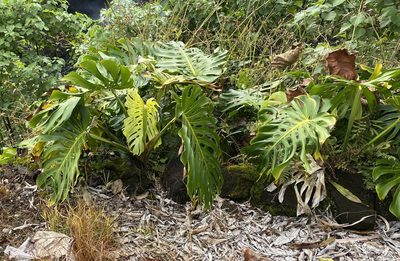
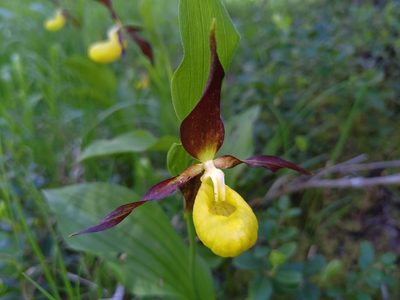
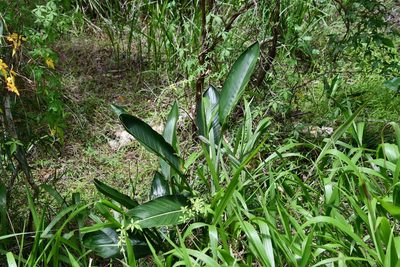
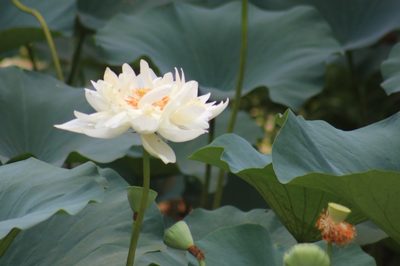
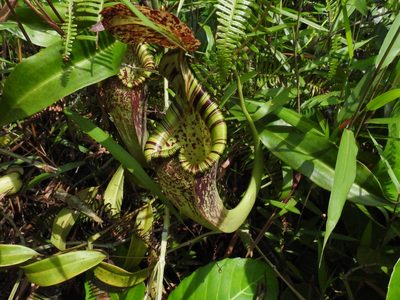
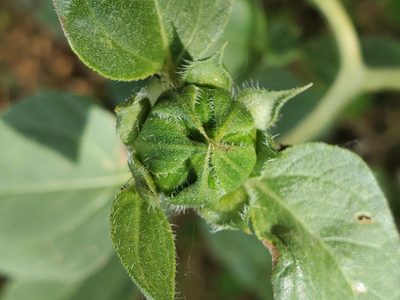
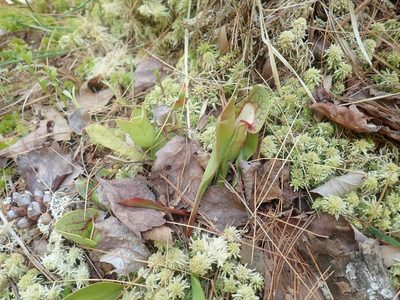
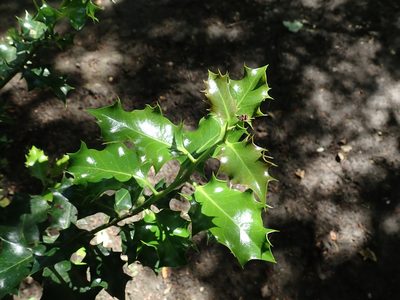
395,688 openly licensed photographs, each credited to its photographer, and a genuine digitised herbarium sheet with its accession number and determiner on 94% of species.
No fake reviews. No invented care advice.
There are no star ratings, no testimonials, and no care or toxicity claim we cannot cite to a source. The app is newly launched, and we say exactly that rather than manufacturing praise.
Coverage, counted.
Where a species lacks one of these, the page shows the gap rather than filling it in. That absence is the honest part, and it is why these are measured percentages, not a claim of completeness.
- of species carry a native range Kew WCVP 95%
- of species carry a real herbarium specimen NYBG / Kew 94%
- of species carry a computed climate envelope CHELSA 72%
- of species carry a flowering phenology curve GBIF / iNaturalist 28%
- of species carry a common name Wikidata / USDA 36%
- of species carry a first-publication citation IPNI 96.9%
- of species carry a name in another language Wikidata / GBIF 77.4%
- of species carry recorded ecological interactions GloBI 35.4%
- of species carry a documented use Kew useful plants 30.4%
- of species carry a documented growth trait USDA / GIFT / EOL 88.2%
- of species carry an IUCN conservation status IUCN / Wikidata 17.8%
- of species carry notable phytochemistry Dr. Duke's 2.5%
- of species carry a numbered source list every page 100%
Six ways in.
- The plant library Filter by family, growth habit, climate, native continent, and what evidence a page holds. Every facet names its source.
- Families and genera 612 of 738 families and 8,208 genera hold a documented species.
- Flora by region What grows natively where, after Kew’s world checklist, and how much of each region we have documented.
- Bloom calendars When a plant actually flowers where you are, computed from community observations with a real confidence interval.
- Identification accuracy Our own on-device model, benchmarked in the open, including the part that makes it look bad.
- Sources and licences Every dataset the site stands on, its licence, and the date we last synced it.
52,653 species with a real sheet.
-
-
-
-
-
-
-
-


The app
Identify a plant in your hand, privately.
BotanAI names common plants on your device, so most photos never leave your phone, and sends only the hard ones to Pl@ntNet and Plant.id for a second opinion. It is free, has no ads and needs no account. It is newly launched, which is why there are no reviews to show.